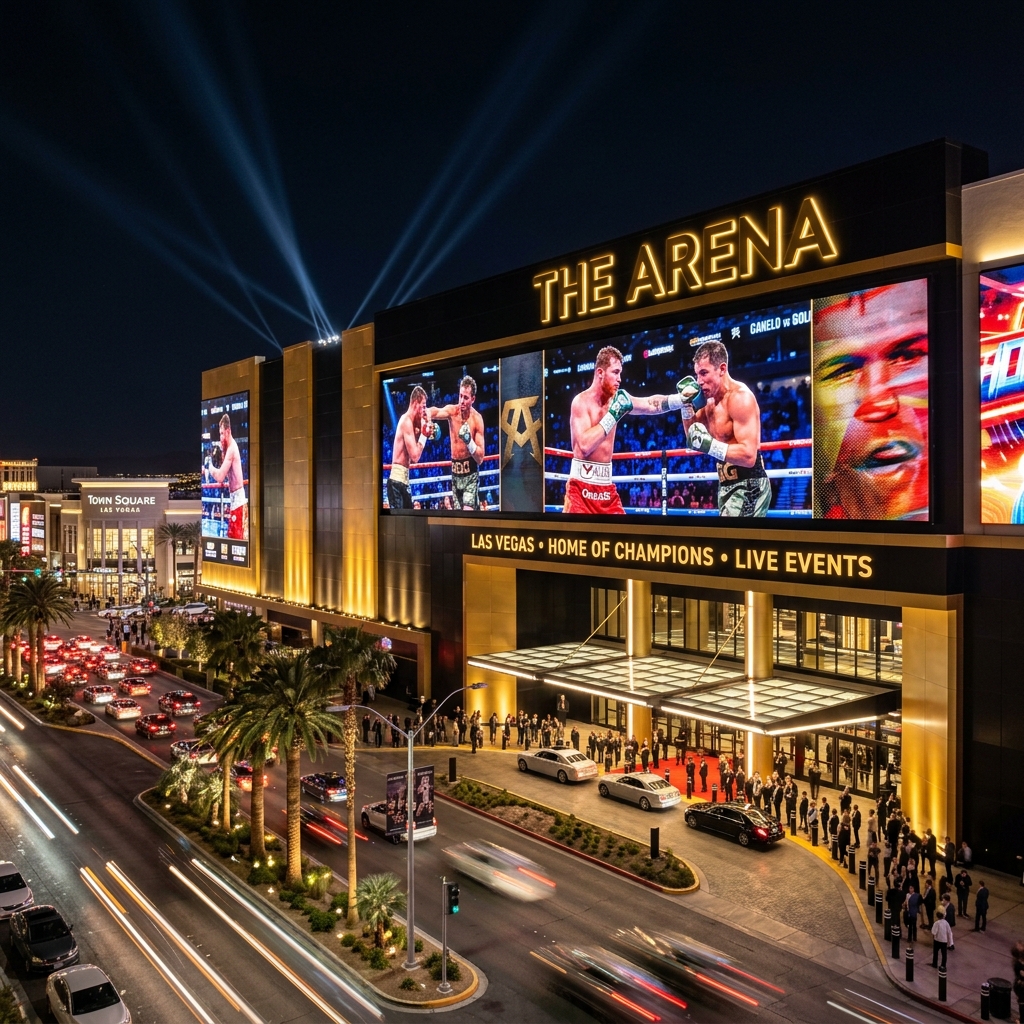
Development Timeline
18 Months to
Grand Opening
From acquisition to first fight card. Adaptive reuse accelerates the timeline - existing shell, standing roof, utility connections.
From acquisition to first fight card. Adaptive reuse accelerates the timeline - existing shell, standing roof, utility connections.
Adaptive reuse of an existing large-format building eliminates foundation, structural steel, and envelope construction - saving 6–8 months vs. ground-up. Existing utility infrastructure further accelerates permitting.
• Site acquisition or lease negotiation
• Environmental Phase I & II assessments
• Structural & mechanical inspections
• Entity formation (5 LLCs)
• NAC promoter license application
• Architect & GC selection (RFP)
• Insurance & bonding
• Golden Gloves franchise agreement
• Architectural design (Steelman / KJW)
• MEP engineering package
• Structural engineering for 4-level bowl
• AV system design (L-Acoustics spec)
• Clark County building permits
• Fire marshal review & egress planning
• Interior design & FF&E procurement
• Ring platform hydraulics engineering
• Interior demolition of retail finishes
• Structural steel for 4-level concentric bowl
• MEP rough-in (HVAC, electrical, plumbing)
• Ring platform fabrication & install
• Specialty flooring (ring, gym, arena)
• AV / LED / Halo Screen install
• Restaurant & bar build-out
• Gym equipment installation
• Hall of Fame museum build
• FF&E delivery & installation
• AV commissioning & sound calibration
• Fire marshal final inspection
• Staff hiring (120 FTE core team)
• Event staff recruitment pool (80+)
• LVSH Studios broadcast testing
• Marketing launch & ticket presales
• VIP Skybox lease sales
• Gym soft opening (Month 15)
Marquee inaugural fight card - a headline event that puts The Arena on the map from night one. Media preview week. VIP investor showcase. Celebrity walkthrough. Full restaurant and gym operations from day one. Revenue generation begins immediately.
Existing steel frame, concrete slab, standing roof, and utility connections eliminate 6–8 months of ground-up construction. No foundation work. No envelope. No site grading.
$9.2M contingency built into the construction budget. Accounts for unforeseen conditions in the existing building - outdated systems, code upgrades, material delays.
Gym and restaurant can soft-open at Month 15 - generating revenue 3 months before the arena opens. This offsets pre-opening costs and builds community buzz.
PENTA and Martin-Harris are Las Vegas specialists with deep Clark County relationships. They know the permitting process, the labor pool, and the supply chain.
While construction runs, the entertainment team books the first 6 months of programming. Marketing builds pre-sale lists. The gym sells charter memberships. Revenue starts before doors open.
$3.5M working capital reserve funds the first 90 days of operations - payroll, F&B inventory, marketing spend - before ticket revenue stabilizes the cash cycle.
Every regulatory requirement has been identified and mapped to the development timeline. No surprises. No unknowns. The project team understands Clark County permitting, NAC licensing, and Nevada liquor regulations.
| Requirement | Timeline |
|---|---|
| Zoning Verification | 2–4 weeks |
| Special Use Permit (if req.) | 60–90 days |
| Building Permits | 8–12 weeks |
| Fire Marshal - Places of Assembly | Concurrent w/ build |
| NAC Promoter License | 45–90 days |
| Liquor License | 60–120 days |
| Incidental Activity Permit | Concurrent w/ liquor |
| Health Department | 30–60 days |
| NAC Event Permits | Per event |
Regulatory analysis based on unincorporated Clark County (Enterprise district) zoning and permitting requirements. Specific parcel and permit applications will be filed upon site acquisition. All regulatory timelines are designed to run parallel to construction - no critical path delay expected.
Sophisticated investors expect transparency. The following risks have been identified, assessed, and mapped to specific mitigation strategies.
| Risk | Mitigation |
|---|---|
| Construction Cost Overrun | 15% contingency reserve ($7.8M) built into budget. GMP contract with general contractor. Phased procurement. |
| Construction Timeline Delay | Adaptive reuse eliminates foundation/shell risk. Pre-qualification of subcontractors. Dual-sourced materials strategy. |
| Regulatory / Permitting Delay | C-2 zoning confirmed. All permits run parallel to construction. Experienced local counsel engaged. |
| Entertainment Market Cyclicality | LV entertainment spending increased even during 2025 visitor decline. 19 diversified revenue streams reduce single-source dependence. |
| Ticket Sales / Occupancy Below Plan | Stress test shows project breaks even at 50% of base-case revenue. Year 0 modeled at 65% ramp. Conservative blended utilization of 60%. |
| Competition from New Venues | No known 3,000–5,000 cap venue projects in the LV pipeline. High barrier to entry (land, capital, NAC licensing). 18-month head start. |
| Key Person Risk | Professional F&B operator, third-party venue management, and institutional-grade advisory team reduce dependence on any individual. |
| Talent Pipeline / Booking Risk | Self-promotion model requires strong booking relationships. VP of Entertainment will be recruited from established LV venue operations. Agency relationships (ICM, WME, CAA) in development. 15–20% of calendar reserved for private events as buffer. "Versus" deal structures reduce downside on off-peak nights. |
| Site Acquisition Risk | Primary target site is subject to negotiation. If terms are not favorable, the project model is portable to alternative facilities of comparable scale in the Las Vegas market, including potential ground-up construction. Financial projections have been sized to a 150,000+ SF facility and are not dependent on any single property. |
$89.6M investment. $45M+ annual EBITDA. 24-36 months to opening. The next great Las Vegas venue starts here.