Revenue Architecture
Multiple Streams.
Recession-Resilient.
Not a single-revenue business. A diversified entertainment platform generating income from every seat, every zone, every hour of the day.
Not a single-revenue business. A diversified entertainment platform generating income from every seat, every zone, every hour of the day.
Each stream will operate independently. Gym memberships won't require concerts. Restaurant revenue won't require fights. Sponsorship income will be contracted annually regardless of event count.
Professional and amateur fight cards. Tiered premium seating from ringside to GA.
National touring acts, residencies, emerging artists. 360° immersive production.
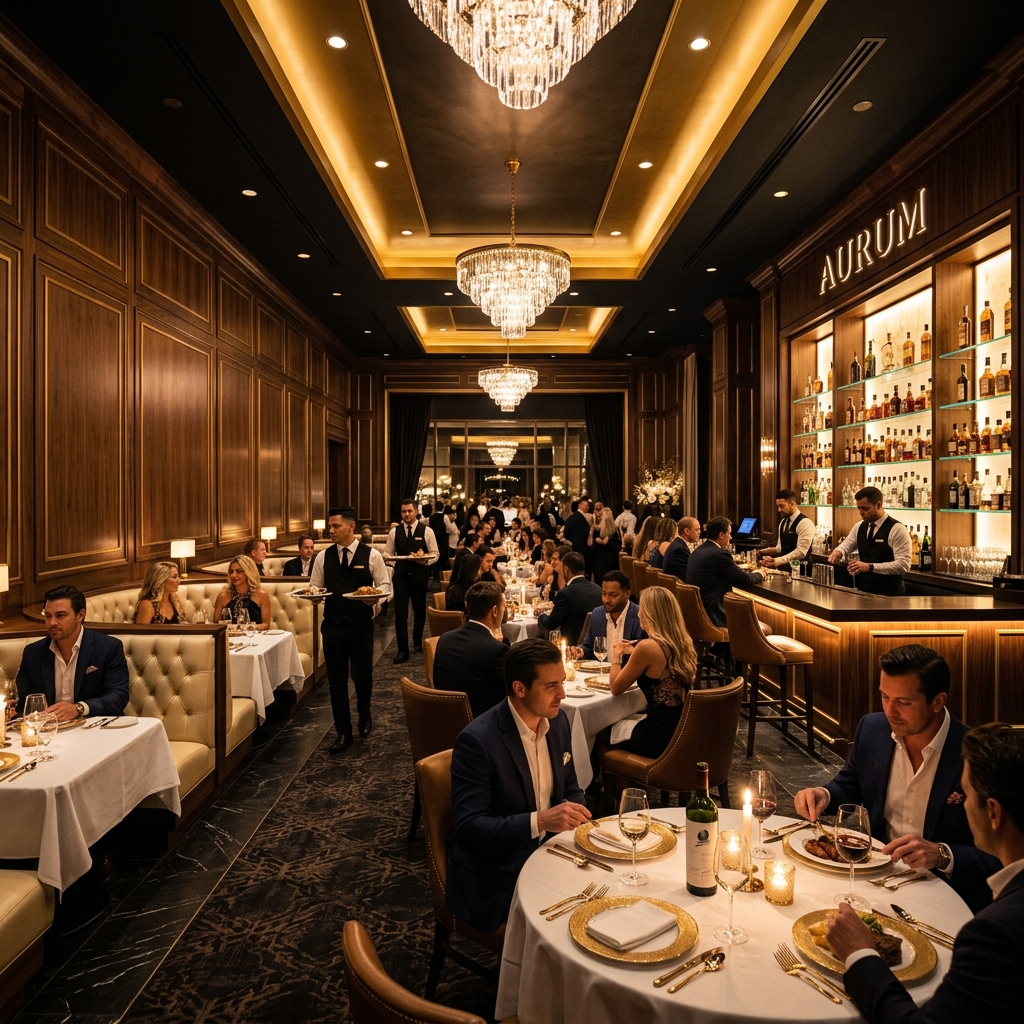
300-seat premium dining tier. Full-course dinners and bottle service delivered to your table while the show unfolds around you.
250-seat Level 1 bar surrounding the ring/stage. Craft cocktails and tableside service feet from the action.
Full-service steakhouse and cocktail bar. Planned to operate 365 days - not just event nights.
25,000 SF elite training. Boxing, weights, cryo, sauna, cold plunge. 24/7.
Premium bottle service during fight nights and concert events.
10 private suites with dedicated hosts, in-suite dining, and private bar. Multi-course meals served during every event. Annual leases.
Category-exclusive partnerships and long-term naming rights deal.
In-house broadcast studio and distribution infrastructure. Every fight card and concert will be owned content produced and distributed through the venue's own media operation.
Museum admissions, branded merchandise, fight gear. Planned to operate daily.
VIP parking, private events, training sessions, recovery, in-venue advertising, open-night F&B.
The Arena will house a full-scale broadcast studio and media production facility integrated directly into the venue architecture. Every fight card, every concert, and every event will be captured, produced, and distributed through an in-house operation.
This will not be a third-party licensing arrangement. The Arena will own the production, own the distribution, and own the content library - creating a media asset that compounds in value with every event produced. The studio has been planned as a core revenue driver from the earliest architectural concepts.
The Company intends to acquire and own the building outright. Comparable venues pay 8–18% of revenue in rent - millions annually at this scale. Successful acquisition would convert a recurring expense into appreciating equity. A target property has been identified; alternative sites are also under evaluation.
Arena Operations LLC will act as its own promoter - retaining 100% of ticket revenue. Comparable venues co-promoting with Live Nation/AEG surrender 15–25% in fees. This model is proven at this capacity tier by Brooklyn Bowl and House of Blues.
High-margin streams (gym, restaurant, parking, sponsorships, media) will operate independently of event scheduling. The gym will run 24/7. The restaurant and museum will operate daily. Sponsorships and media revenue will be contracted year-round. Revenue every day - not dependent on ticket sales alone.
Research-Backed Event Ramp: T-Mobile Arena (20K seats) hosted ~70 events in its first partial year. The Sphere hosted ~40 shows. Industry benchmark for mature arenas is 50–80 events/year. The Arena's model is conservative relative to these comparables.
Brand launch. Operational stress-testing. Audience development. Prove the model.
Expanded programming. Grow memberships. Build sponsorship base.
Full stabilized programming. Maximum diversification.
Year 1 is about proving the model. Year 3 is about maximizing it.
Detailed financial projections, pro forma, and investment terms are available to qualified investors.